insessor
n. one who sits in or on

insessor
n. one who sits in or on

crastin
n. the day after, the morrow
festinate
adj. hurried
hammajang
adj. in a disorderly or chaotic state
disceptation
n. disputation, debate, discussion
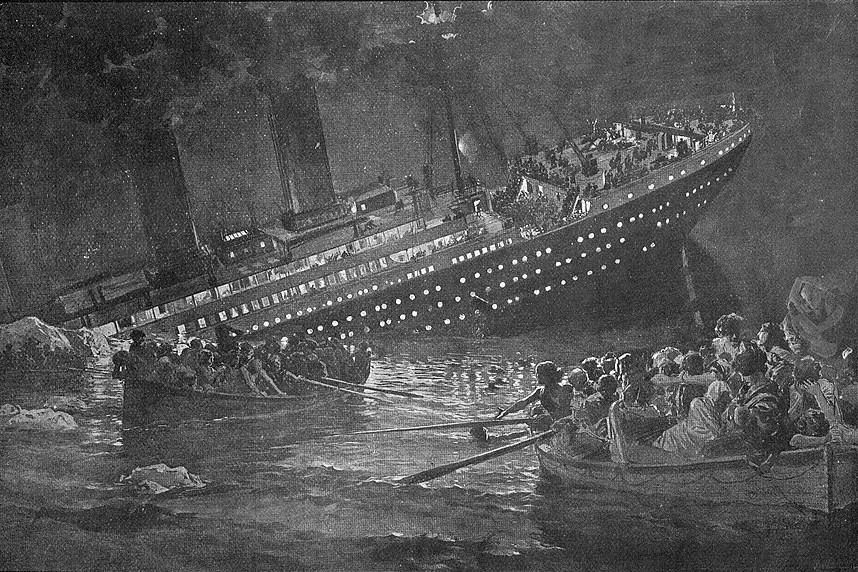
What time did various incidents happen? Everyone agrees that the Titanic hit the iceberg at 11:40 p.m. and sank at 2:20 a.m. — but there’s disagreement on nearly everything that happened in between. … There was simply too much pressure. Mrs. Louis M. Ogden, passenger on the Carpathia, offers a good example. At one point, while helping some survivors get settled, she paused long enough to ask her husband the time. Mr. Ogden’s watch had stopped, but he guessed it was 4:30 p.m. Actually, it was only 9:30 in the morning. They were both so engrossed, they had lost all track of time.
— Walter Lord, A Night to Remember, 1955

chirurgic
adj. manual; relating to work done by the hand
armillary
adj. consisting of hoops or rings
operosity
n. laboriousness, painstaking endeavour; elaborateness
idoneous
adj. appropriate; fit; suitable; apt
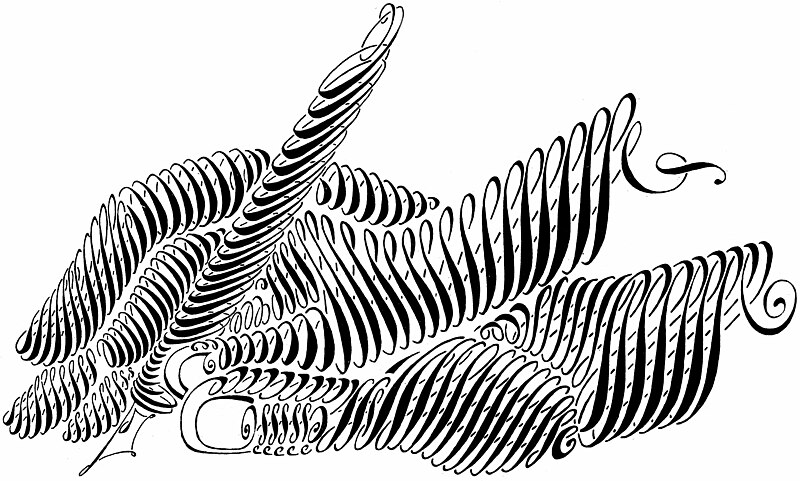
From Hungarian typographer Peter Virágvölgyi, a beautiful instance of “meta-calligraphy.”
hippomaniacally
adv. in a manner reminiscent of a mad horse
frample
v. of a horse: to paw the ground
accoy
v. to quiet or soothe
tournure
n. graceful manner or bearing
In an 1884 letter, Augustus Hare noted that the Bishop of Lichfield drove horses named Pride and Prejudice. “He says people may consider it a terrible thing for a bishop to be drawn hither and thither by these passions, but then it is assuredly a fine thing to have them well under control.”
condisciple
n. a fellow student
precariat
n. people whose living standards are insecure
scripturiency
n. passion for writing
refocillation
n. imparting of new vigor
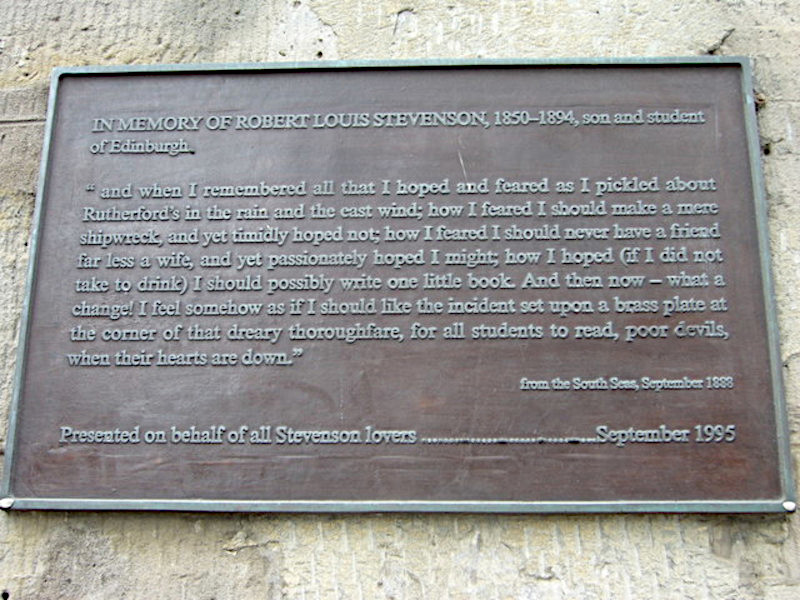
This brass plate is displayed at the corner of Drummond Street and South Bridge, near Rutherford’s Bar, in Edinburgh:

(Thanks, Nick.)

heuretic
adj. of or relating to discovery or invention
Sea travel is not kind to teapots, which tend to drip when pouring, tip over on tables, and chip in storage. Entrepreneur Robert Crawford Johnson solved all these problems by designing a pot in the shape of a cube, with the spout tucked into a corner. His invention, patented in 1917, was quickly adopted by Cunard, and it was still in use on the Queen Elizabeth 2 as late as 1968.
nimiety
n. superfluity
brachylogy
n. a condensed expression
scrimption
n. a very small amount or degree
perficient
adj. that accomplishes something; effectual
Leonard Bernstein conducts the Vienna Philharmonic without using his hands, 1984:
calophantic
adj. pretending or making a show of excellence
velleity
n. a mere wish, unaccompanied by an effort to obtain it
fode
v. to lead on with delusive expectations
magnoperate
v. to magnify the greatness of
Roman diplomat Sidonius Apollinaris describes the hunting skill of Visigoth king Theodoric II:
If the chase is the order of the day, he joins it, but never carries his bow at his side, considering this derogatory to royal state. … He will ask you beforehand what you would like him to transfix; you choose, and he hits. If there is a miss … your vision will mostly be at fault, and not the archer’s skill.
(Quoted in Norman Davies, Vanished Kingdoms, 2012.)
pluvial
adj. relating to rainfall
A little tap at the window, as though some missile had struck it, followed by a plentiful, falling sound, as light, though, as if a shower of sand were being sprinkled from a window overhead; then the fall spread, took on an order, a rhythm, became liquid, loud, drumming, musical, innumerable, universal. It was the rain.
— Proust, Swann’s Way
rarissima
n. extremely rare books, manuscripts, or prints
In The Book Hunter (1863), John Hill Burton identifies five types of “persons who meddle with books”:
These groups seem to have been proposed by French librarian Jean Joseph Rive. Bibliographer Gabriel Peignot added four more: