
“I see men ordinarily more eager to discover a reason for things than to find out whether the things are so.” — Montaigne
Quotations
Unquote
“I always feel an optimist when I emerge from a tunnel.” — Robert Lynd
Conjunction
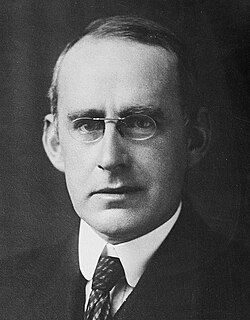
We often think that when we have completed our study of one we know all about two, because ‘two’ is ‘one and one’. We forget that we have still to make a study of ‘and’.
— Arthur Eddington, The Nature of the Physical World, 1928
Unquote
“A conference is a gathering of important people who singly can do nothing, but together can decide that nothing can be done.” — Fred Allen
“History Talks Too Little About Animals”
“Jottings” from the notebooks of Bulgarian novelist Elias Canetti, published as The Human Province (1978):
- The days are distinct, but the night has only one name.
- A war always proceeds as if humanity had never hit upon the notion of justice.
- The lowest man: he whose wishes have all come true.
- The dead are nourished by judgments, the living by love.
- If you have seen a person sleeping, you can never hate him again.
- I really only know what a tiger is since Blake’s poem.
- A nice trick: throwing something into the world without being pulled in by it.
- The future, which changes every instant.
- I’m fed up with seeing through people; it’s so easy, and it gets you nowhere.
- In love, assurances are practically an announcement of their opposite.
- In eternity, everything is at the beginning, a fragrant morning.
- Praying as a rehearsal of wishes.
- Why aren’t more people good out of spite?
- The best person ought not to have a name.
- To keep thoughts apart by force. They all too easily become matted, like hair.
- Each war contains all earlier wars.
- One may have known three or four thousand people, one speaks about only six or seven.
- You notice some things only because they’re not connected to anything.
- Everyone ought to watch himself eating.
- Nothing is more boring than to be worshiped. How can God stand it?
“Square tables: the self-assurance they give you, as though one were alone in an alliance of four.”
Misc
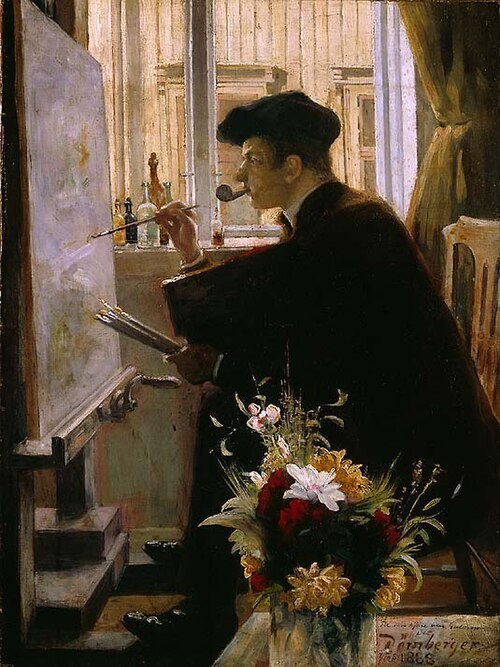
- Émile Zola described a work of art as “a corner of nature seen through a temperament.”
- Early printings of Webster’s New International Dictionary defined RAFTMAN as “a raftman.”
- Horace’s motto was Nihil admirari, “Be surprised at nothing.”
- In the 1960s the Bureau of Land Management renamed Whorehouse Meadow, Oregon, to Naughty Girl Meadow on its maps. In 1981, after a public outcry, it changed it back.
- “Never read a pop-up book about giraffes.” — Sean Lock
Robert Runcie, Archbishop of Canterbury, cooperated as Humphrey Carpenter prepared his biography, believing that the book wouldn’t be published until after his passing. Eventually he was forced to write,
My dear Humphrey
I have done my best to die before this book is published. It now seems possible that I may not succeed. Since you know that I am not enthusiastic about it you are generous to give me space for a postscript.
Unquote
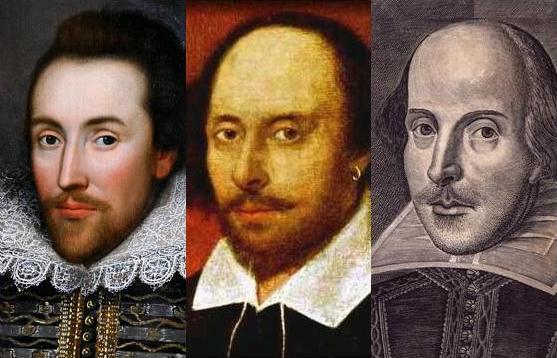
“Who knows if Shakespear might not have thought less, if he had read more?” — Edward Young
Unquote
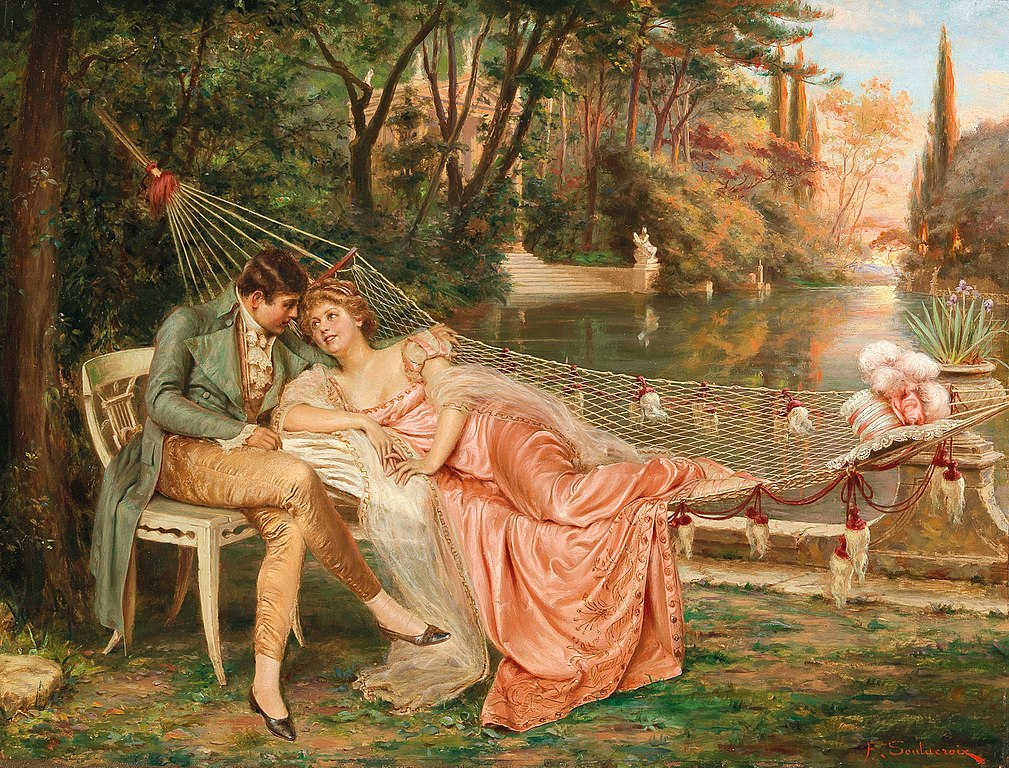
“The other day we had a long discourse with [Lady Orkney] about love; and she told us a saying … which I thought excellent, that in men, desire begets love, and in women, love begets desire.” — Jonathan Swift, A Journal to Stella, Oct. 30, 1712
Briefly
Asked whether he could summarize the lessons of history in a short book, Columbia historian Charles Beard said he could do it in four sentences:
- Whom the gods would destroy, they first make mad with power.
- The mills of God grind slowly, but they grind exceeding small.
- The bee fertilizes the flower it robs.
- When it is dark enough, you can see the stars.
Misc
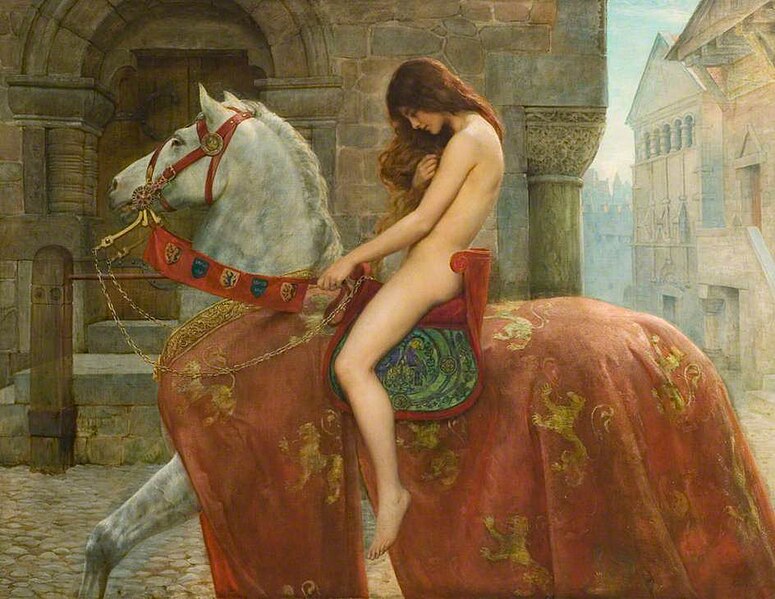
- Lady Godiva’s horse was named Aethenoth.
- UGHA in BROUGHAM is silent.
- 7 × 58 × 73 × 28 = 7587328
- APHELIOTROPISMS is an anagram of OMPHALOTRIPSIES.
- “The French for London is Paris.” — Ionesco
“No general proposition is worth a damn.” — Oliver Wendell Holmes Jr. (a general proposition)