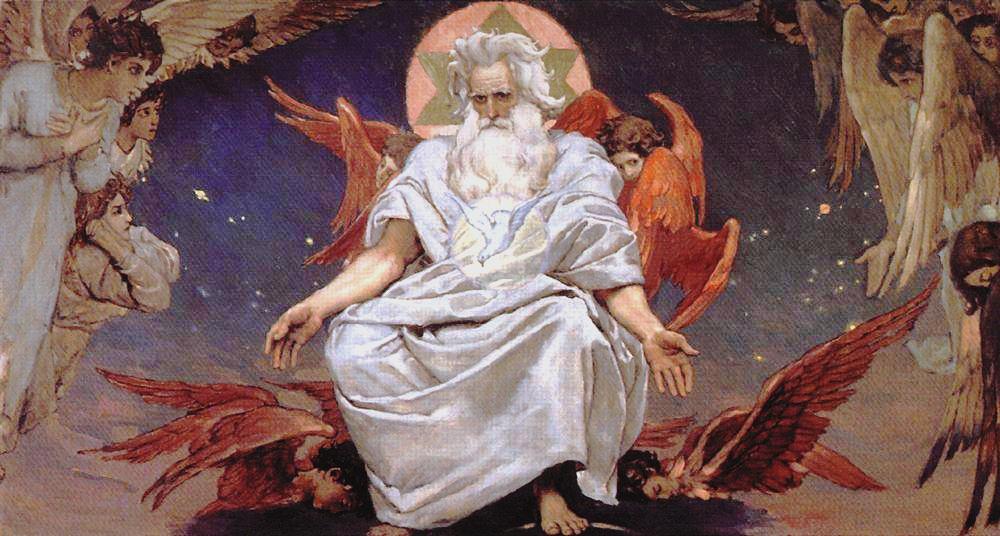
“If God wants us to do a thing, He should make his wishes sufficiently clear. Sensible people will wait till He has done this before paying much attention to Him.” — Samuel Butler (from his notebook)

“If God wants us to do a thing, He should make his wishes sufficiently clear. Sensible people will wait till He has done this before paying much attention to Him.” — Samuel Butler (from his notebook)
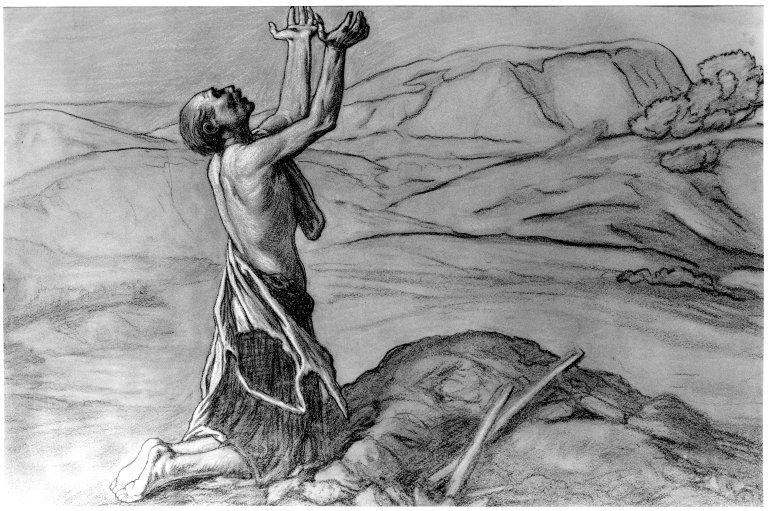
“To pray to God is to flatter oneself that with words one can alter nature.” — Voltaire
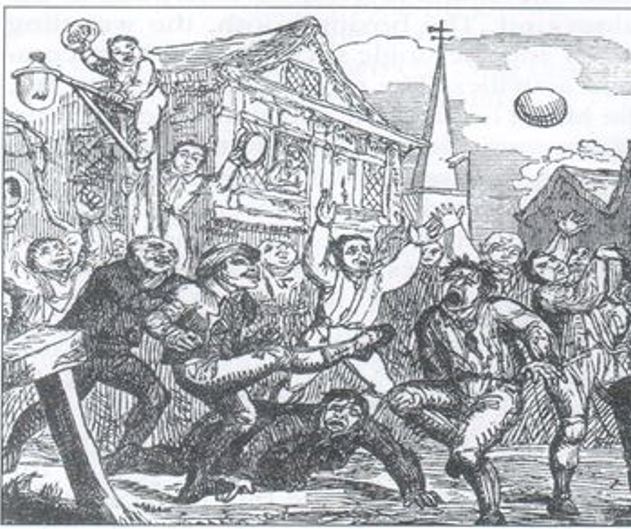
“Serious sport has nothing to do with fair play. It is bound up with hatred, jealousy, boastfulness, disregard of all rules and sadistic pleasure in witnessing violence: in other words it is war minus the shooting.”
— George Orwell, “The Sporting Spirit,” 1945
“[It is] to be utterly abjected of al noble men in likewise, footballe, wherein is nothinge but beastly furie and extreme violence whereof procedeth hurte and consequently rancour and malice do remaine with them that be wounded wherefore it is to be put in perpetuell silence.”
— Sir Thomas Elyot, The Governour, 1531
“For as concerning football playing, I protest unto you it may rather be called a freendly kinde of fight, then a play or recreation; A bloody and murthering practise, then a felowly sporte or pastime. … and hereof groweth envie, malice, rancour, cholor, hatred, displeasure, enmitie, and what not els: and sometimes fighting, brawling, contention, quarrel picking, murther, homicide, and great effusion of blood, as experience dayly teacheth.”
— Phillip Stubbes, Anatomy of Abuses, 1583
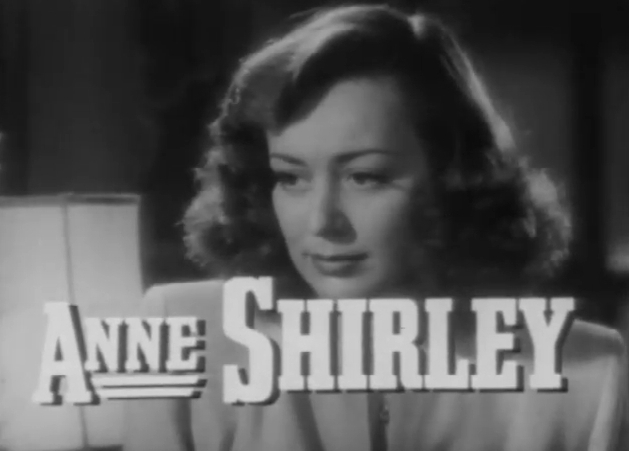
After starring as the title character, Anne Shirley, in the 1934 film Anne of Green Gables, actress Dawn O’Day changed her stage name to Anne Shirley and used it for the rest of her career.
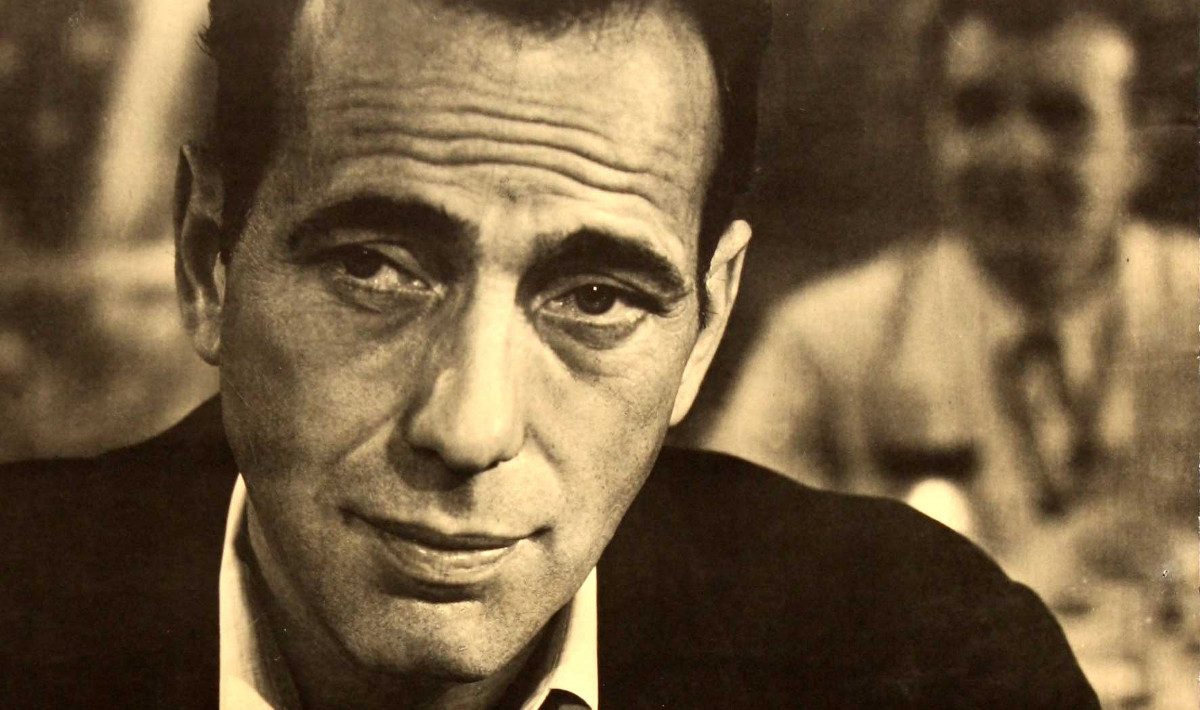
“I’m not good-looking. … What I have got is I have character in my face. It’s taken an awful lot of late nights and drinking to put it there.” — Humphrey Bogart
“If a face like Ingrid Bergman’s looks at you as though you’re adorable, everybody does. You don’t have to act very much.” — Humphrey Bogart
“All I do to look evil is to let my beard grow for two days.” — Humphrey Bogart

“Once I saw a chimpanzee gaze at a particularly beautiful sunset for a full 15 minutes, watching the changing colors until it became so dark that he had to retire to the forest without stopping to pick a pawpaw for supper.” — Adriaan Kortlandt
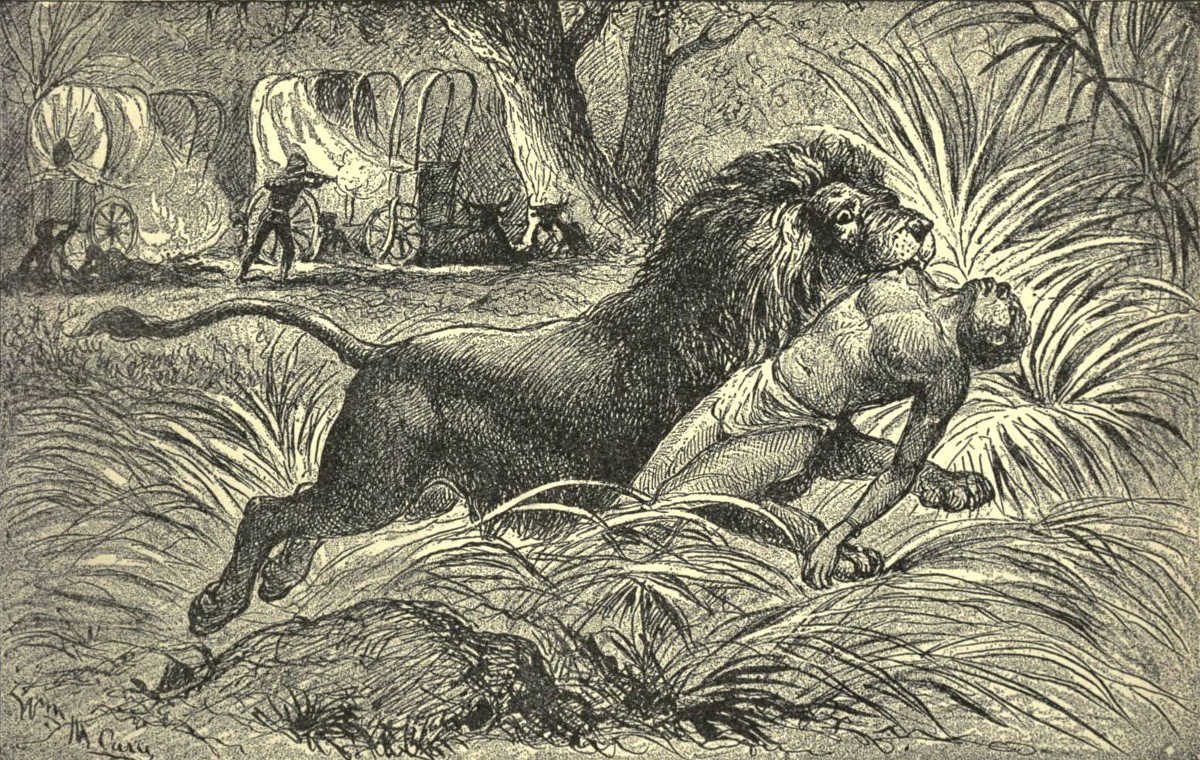
“When a lion eats a man, and a man eats an ox, why is the ox more made for the man, than the man for the lion?”
— Thomas Hobbes, Questions Concerning Liberty, Necessity, and Chance, 1656
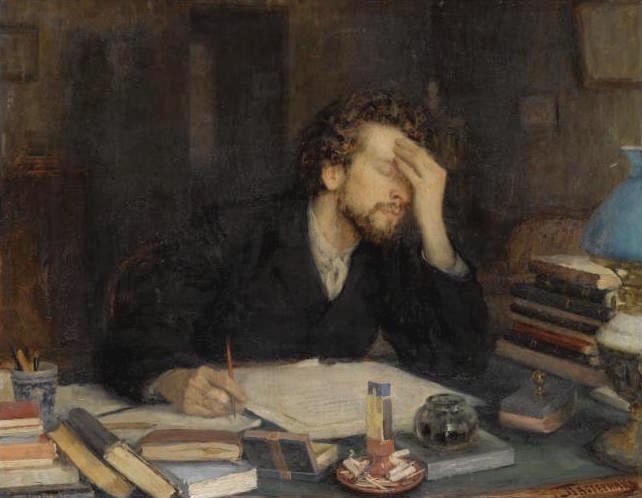
“It is harder to make one’s name by means of a perfect work than to win praise for a second-rate one by means of the name one has already acquired.” — Jean de La Bruyère
Proverbs from around the world: