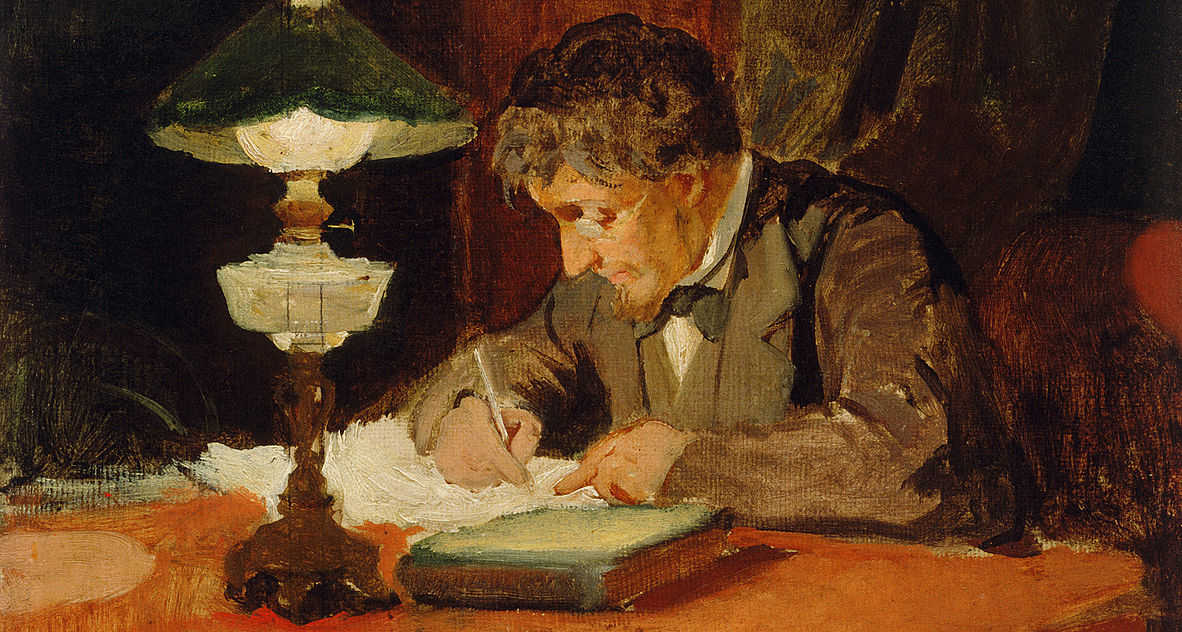
“The life of every man is a diary in which he means to write one story, and writes another; and his humblest hour is when he compares the volume as it is with what he vowed to make it.” — J.M. Barrie

“The life of every man is a diary in which he means to write one story, and writes another; and his humblest hour is when he compares the volume as it is with what he vowed to make it.” — J.M. Barrie
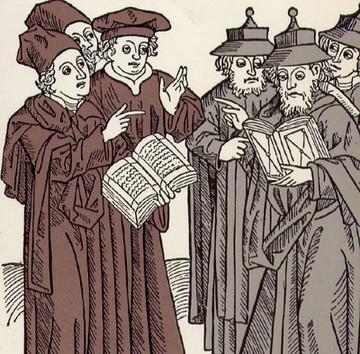
“Many a long dispute among divines may be thus abridged: It is so; it is not so; it is so; it is not so.” — Ben Franklin
Proverbs from around the world:
(From David Crystal, As They Say in Zanzibar, 2006.)
Salman Rushdie suggested that if Robert Ludlum had written Hamlet it would be called The Elsinore Vacillation.
Larry Rosenbaum observed that a gigolo is a million million billion piccolos.
The Greek god of theatrical criticism was named Pan.
Most pygmy hippos in American zoos are descended from William Johnson Hippopotamus, a pet given to Calvin Coolidge.
BISOPROLOL FUMARATE is an anagram of SUPER MARIO FOOTBALL.
Illinois considers Pluto a planet.
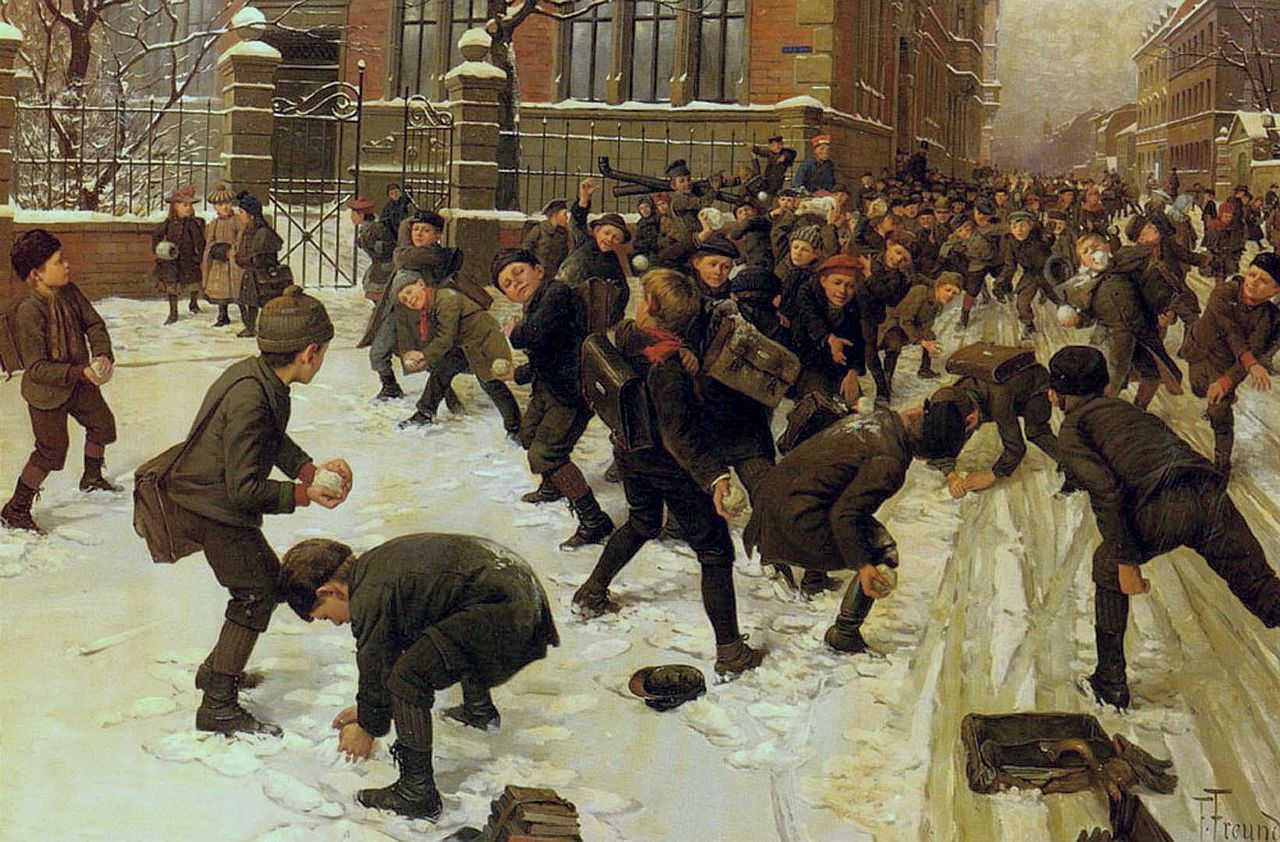
“It is as if children know instinctively that anything wholly solemn, without a smile behind it, is only half alive.” — Iona and Peter Opie, The Lore and Language of Schoolchildren, 1959
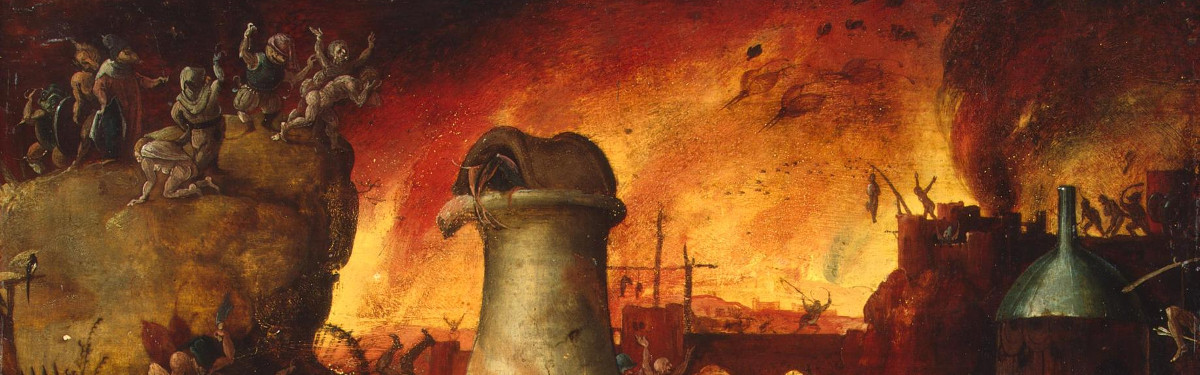
“The man who publishes a book without an index ought to be damned 10 miles beyond hell, where the Devil himself cannot get for stinging nettles.” — John Baynes (1758-1787)
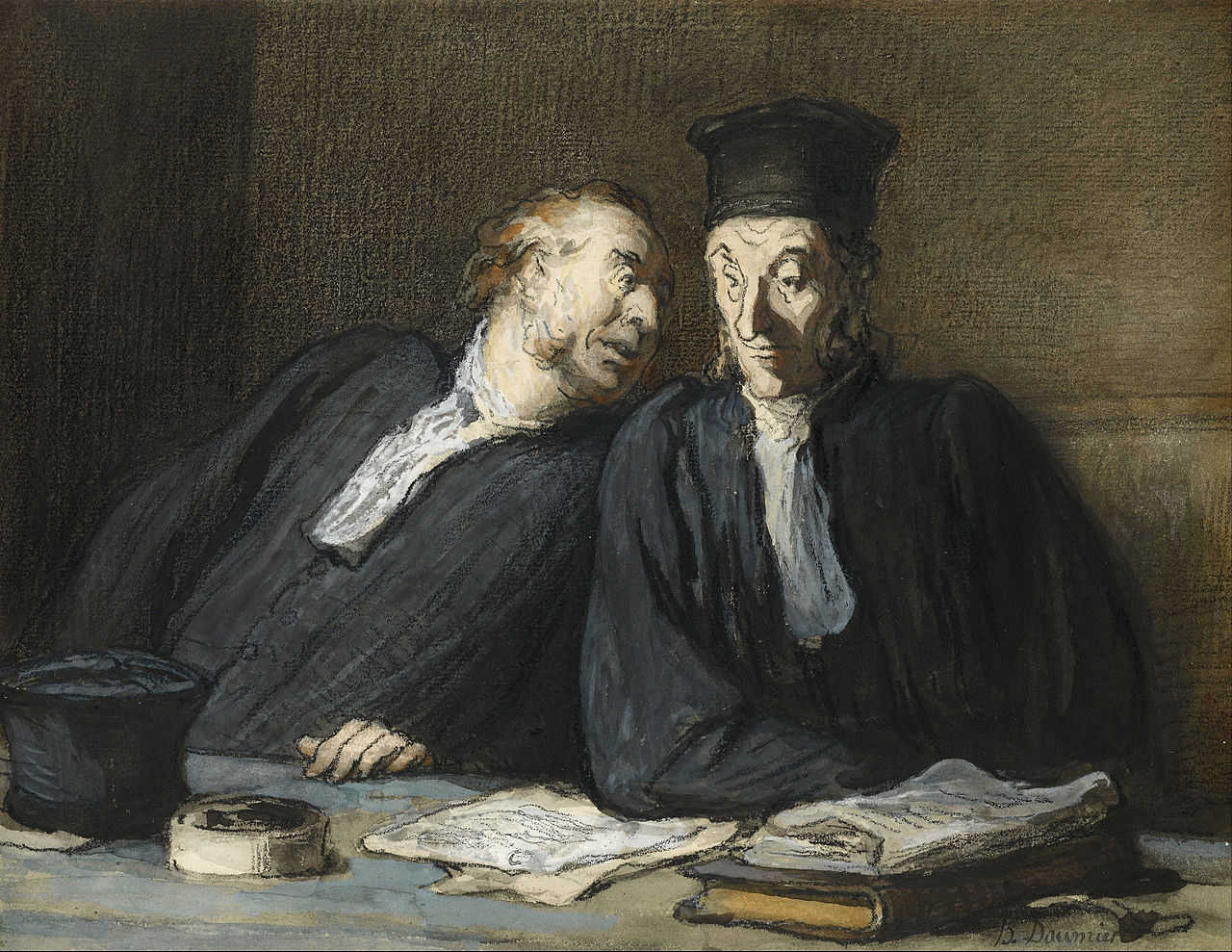
“A lawyer must first get on, then get honor, then get honest.” — Anonymous, quoted in The Book of Insults and Irreverent Quotations
(Thanks, Tony.)
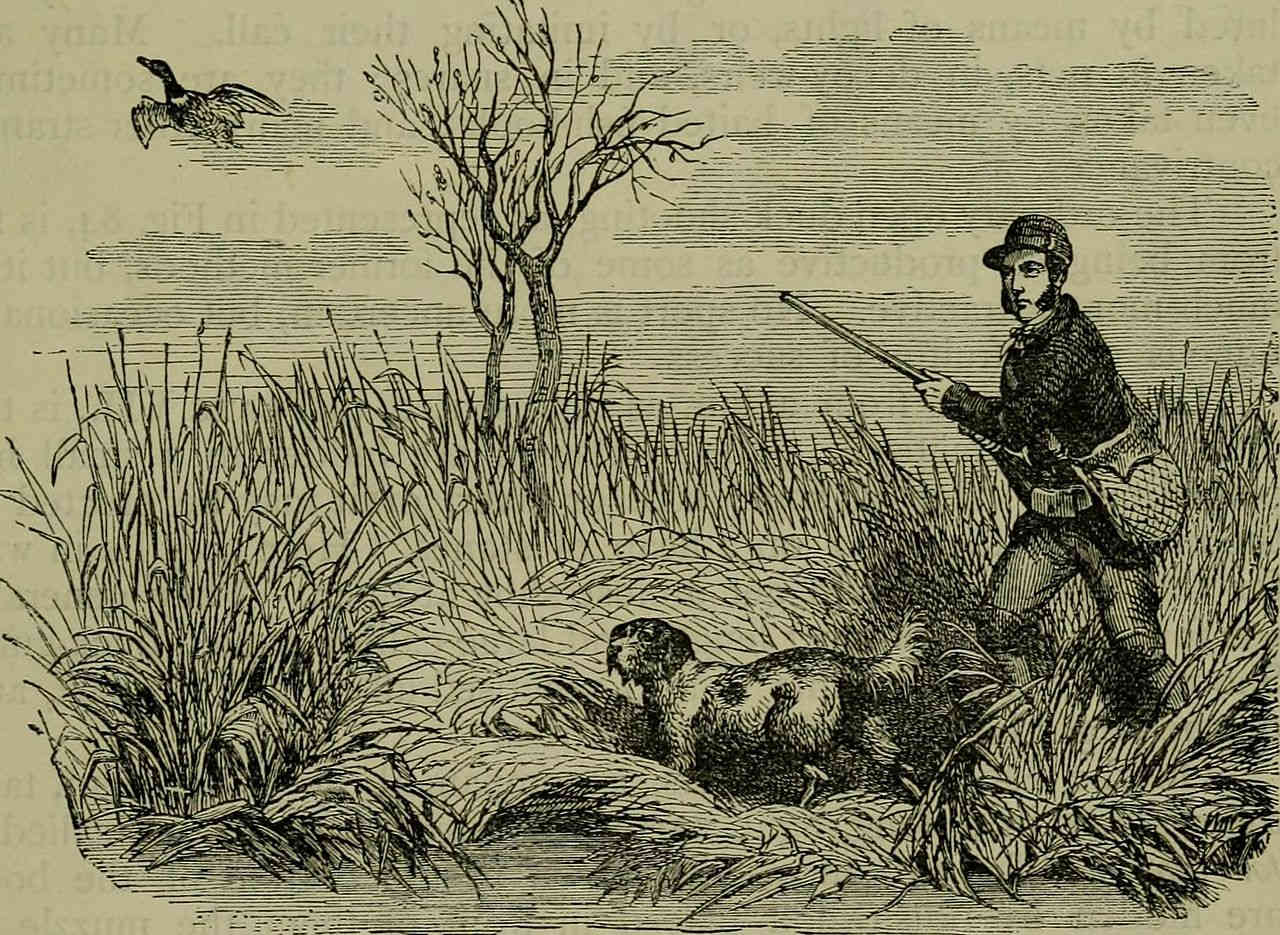
“Animals seen as sport become to the mind meat, and cease to be individual creatures, so that you may feed fishes, but catch fish, ride elephants, but hunt elephant, fatten turkeys and pigs, but chase turkey and pig, throw bread to ducks, but shoot duck; and some creatures, whom God would seem to have created merely for the chase, such as grouse and snipe, require no plural forms at all. And even as few as two pigs become pig if hunted.” — Rose Macaulay
In Thomas Tryon’s Country-Man’s Companion (1684), the birds upbraid man, “O thou Two-Leg’d unfeather’d unthinking Thing,” for his slaughter:
How many thousands of our innocent kind have been murthered by Guns, Traps, Snares, &c? and many thousands both of our Males and Females have lost their loving Mates by the like Stratagems, and no Pity or Compassion taken by Man on our miserable Sufferings, but rather they encourage each other to our destruction, and cry, Hang these scurvey Birds, shoot them, destroy them, they are good for nothing but to eat up our Corn: As if God that created us had done it in vain, as if he intended us not a subsistance and Food? What right I pray, has Man to all the Corn in the world? or why should he grumble and repine if we take a few Grains to supply our Necessities, whilst he squanders away such Heaps upon his Lusts? Wherein I fear he has so much besotted himself, and by continual Practice is become so harden’d, and has so powerfully irritated the dark Wrath in himself, that all our Remonstrances to him to move him to Mercy and Compassion, and to forbear polluting himself with the Blood of the Innocent, will be but in vain, and that we must still sigh and groan under his Cruelty and Tyranny, which as long-run will return seven fold upon his own guilty Head.
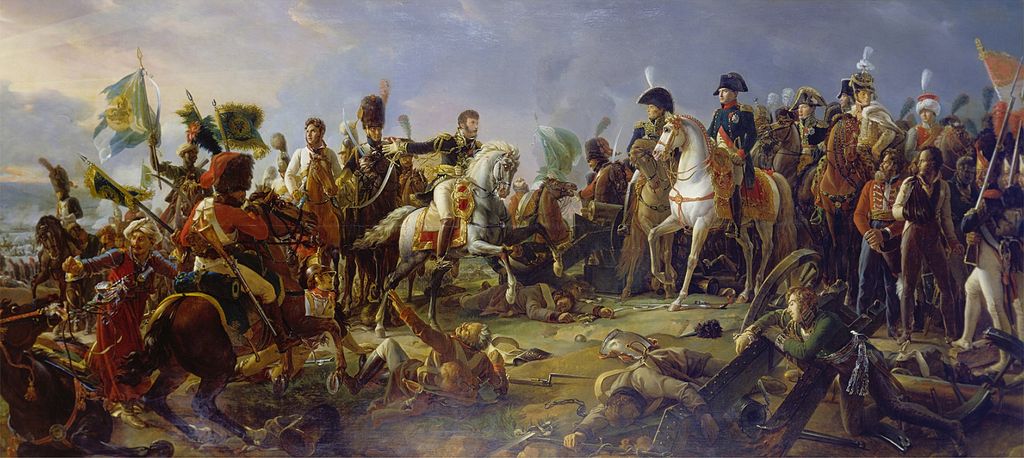
“A soldier will fight long and hard for a bit of colored ribbon.” — Napoleon
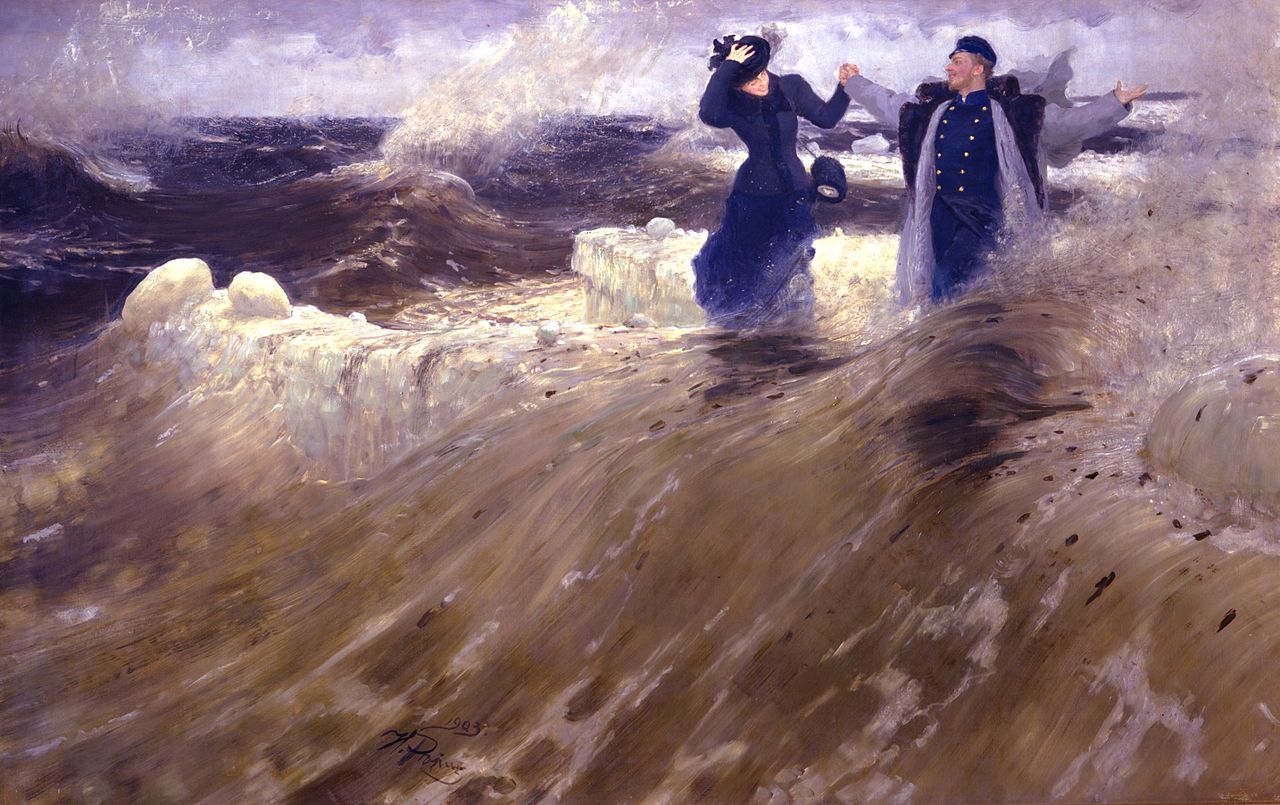
“While there is a chance of the world getting through its troubles, I hold that a reasonable man has to behave as though he was sure of it. If at the end your cheerfulness is not justified, at any rate you will have been cheerful.” — H.G. Wells