
One problem on the 1982 Scholastic Aptitude Test depicted a circle A adjoining a larger circle B. The problem read:
In the figure above, the radius of circle A is one-third the radius of circle B. Starting from position shown in figure, circle A rolls around circle B. At the end of how many revolutions of circle A will the center of circle A reach its starting point?
(A) 3/2
(B) 3
(C) 6
(D) 9/2
(E) 9
The College Board had expected the answer 3, but three students pointed out that the correct answer is 4. The Board explained, “The circumference of the large circle is three times the circumference of the small circle. If the small circle were to rotate along a straight line segment equal in length to the circumference of the large circle it would make three revolutions.”
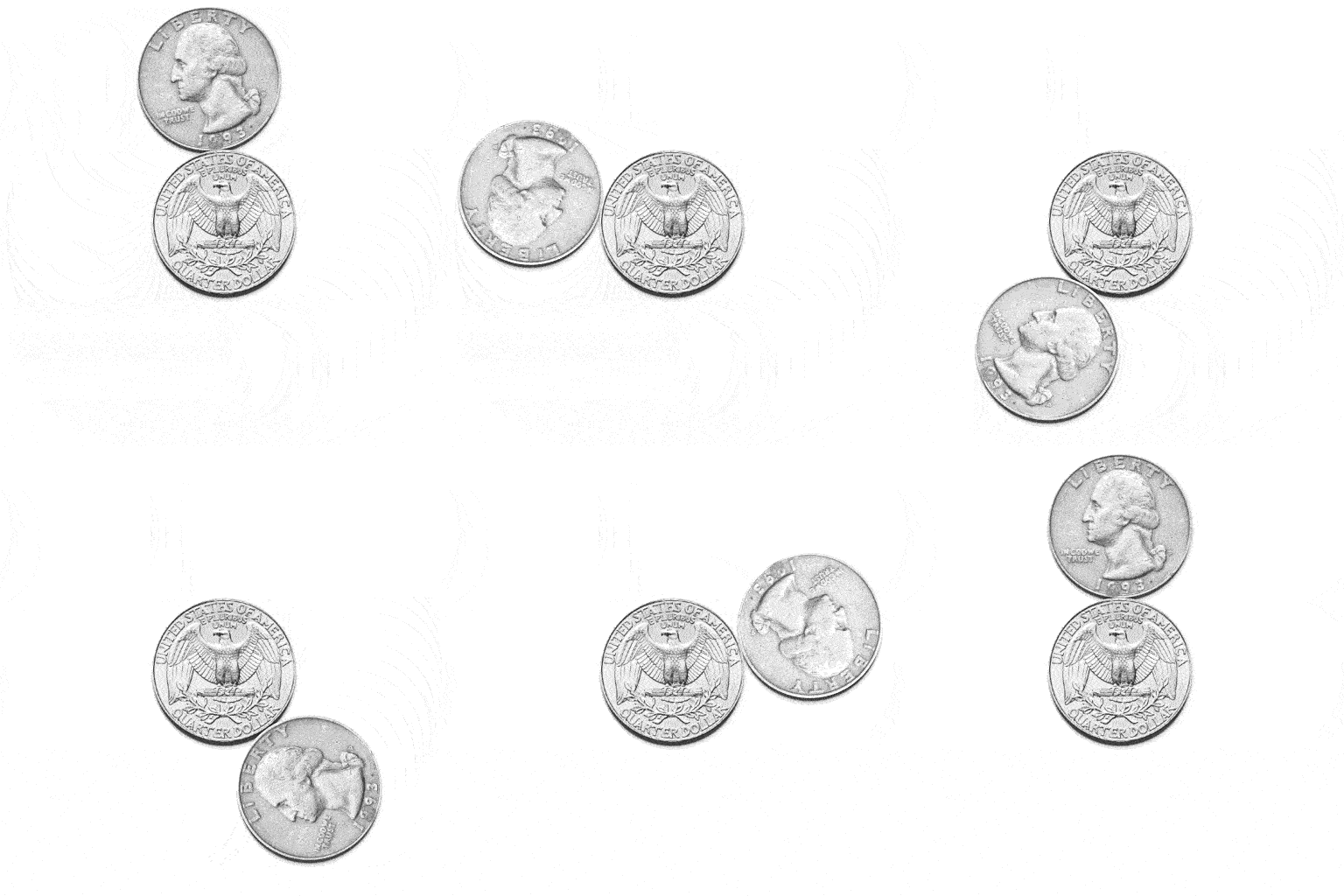
“However, the motion of the small circle is not in a straight line, but rather around the large circle. This revolving action around the large circle contributes an extra revolution as circle A rolls around Circle B.” Here’s the same idea using coins of equal size:

Math scores for some 300,000 students had to be recalculated. See The Pup Tent Problem.